
Against throwaway culture
We address the environmental impact of our products and operations by developing circular solutions and reducing greenhouse gas emissions. We have set science-based climate targets aligned with the 1.5 °C pathway and monitor progress against these targets.
Circular economy
Circular economy principles are integrated into product design, innovation, and business development. The aim is to extend the lifespan of products and materials and to keep them in use for longer.
Circular solutions include approaches such as reuse, repair and recycling, supporting more efficient use of resources across the value chain.
Products are designed with durability and quality in mind, alongside considerations such as material efficiency and recyclability. Circularity is embedded in how new products and services are developed.
Our target: The majority of our net sales comes from circular products and services by 2030





Climate
We address climate change by reducing greenhouse gas emissions across our operations and value chain.
We have set science-based climate targets aligned with the 1.5 °C pathway, which have been validated by the Science Based Targets initiative. We are committed to reaching net zero greenhouse gas emissions across our value chain by 2049. Progress against these targets is monitored and reported regularly as part of our interim reports and annual Sustainability Statement.
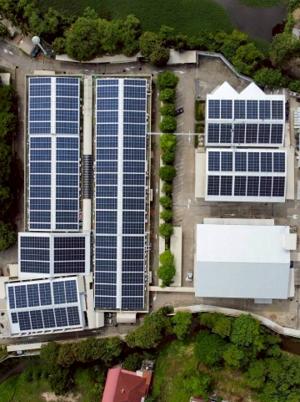
Our climate approach is supported by international standards and frameworks, including ISO 14001. Actions focus on improving energy efficiency, increasing the use of renewable energy, and engaging suppliers to reduce emissions in the value chain.
Most of our Scope 3 emissions are generated from purchased goods and services, followed by upstream transportation and distribution. Additional Scope 3 sources include employee commuting and business travel. These emission sources are assessed and disclosed as part of our greenhouse gas emissions reporting and reduction efforts.
Our targets:
- Greenhouse gas emissions from own operations (Scopes 1 and 2) reduced by 70% from a 2017 base year by 2030
- Greenhouse gas emissions from Scope 3 emissions in the value chain reduced by 40% from a 2018 base year by 2030
- 80% of Fiskars Group’s raw material, component, and finished goods suppliers will have set science-based targets by 2029

Biodiversity
Our business depends on natural resources. Many of our products include materials sourced from nature, and nature continues to be an important source of inspiration for our design.
We recognize the importance of protecting ecosystems and biodiversity in our operations and value chain. We integrate environmental considerations into our sourcing, product development, and operations.